
How to Spot Fake Righteous Sweats Real Owner Insights
The Righteous label’s Fit Chart Explained: Avoiding Frequent Fit Slip-Ups
Because you can’t try garments on first, more returns stem from this than from any other cause in the fashion business. The Righteous label has built a following on standout prints and street-inspired cuts, but even the most eye-catching design comes up short if the fit is wrong. Learning how Righteous garments are cut, where they run generous, and where they run fitted, will save you time, money, and the hassle of a return shipment. This guide lays out the hands-on aspects of sizing so your next order arrives fit for use, not headed straight back to sender.
Steady, predictable fit is part of why the label has developed into such a established presence in street fashion circles. Those who take time to learn the brand’s sizing logic tend to report fewer sizing issues than those who estimate using a single other brand’s chart. Seeing as no two brands size quite the same, treating each order as its own decision, rather than assuming a universal standard, is the most sensible approach.
How Sizing Slip-Ups Keep Occurring
Nearly all fit problems come down to one thing: shoppers use their size from a separate label to a new one without checking the real dimensions. A medium in one label can differ by two or three inches in chest width from a medium at another brand. That gap is enough to reshape a easy, loose silhouette into either a sloppy loose result or an restrictive fit across the shoulders.
One more recurring mistake is ignoring the difference between body measurements and garment measurements. Body measurements describe you; garment measurements describe the faith sweatpants clothing itself, including intentional room added in for style. A hoodie intended to achieve an relaxed drop-shoulder shape will always measure larger than your genuine chest size, and that is planned that way, not a mistake in the chart.
Shrinkage after washing is a third factor buyers don’t account for. Cotton-heavy pieces, including many Righteous hoodie styles, can give up a small percentage of their size in the first few washes if not cared for properly. Consulting the care label before the first wash and sticking to its instructions reduces this risk by a wide margin. Cold water and low heat drying settings preserve fit far better than warm or hot laundering.
How to Measure Yourself Correctly
Three core measurements matter most of all before buying any piece: bust, waist, and your preferred length. Wrap a flexible tape measure around the fullest part of your chest, making sure it stays straight and close-fitting yet comfortable. Follow the same process around your waist area, generally just above the belly button. Write down your favored length by taking measurements of a pullover or T-shirt you own already and enjoy wearing, running from the shoulder seam to the bottom hem.
Write these three numbers down before going through the Righteous clothing brand’s product pages. Having them ready steers you away from hasty guesses on size driven by guesswork or by what “feels right” based on nothing but memory. A tape measure is trustworthy, while memory is not.
It also helps to measure a garment you own already that reflects the fit you want in a new item, laid flat, and line up that flattened measurement to the product’s published measurements. This laid-flat technique is far sounder than trusting standard S/M/L labels, since standard sizing change with cut and season, especially as Righteous apparel revises its cuts each year.
Understanding the Righteous Size Chart
A size chart usually shows measurements in inches or cm across a top-to-bottom row of sizes, with chest, waist, and occasionally hip and length numbers underneath. The trick is pairing your own numbers to the appropriate row, not the closest matching letter. If you find yourself between two sizes, going a size larger is generally the surer bet for street-style items made to fit loose, while opting for the smaller size suits anyone going for a tighter, more fitted appearance.
Be mindful of the measurement units. Mistaking centimeters for inches is a recurring but avoidable slip-up that leads to garments arriving several sizes off. Verify the measurement label at the top of the chart every single time, even for repeat customers of the brand, since details can be updated between collections.
Presented here is a rough side-by-side of how a relaxed streetwear fit typically differs from a close or standard fit across chest measurements, to show why shape preference matters just as much as size letter.
| Size Label | Fitted Chest Measurement (inches) | Loose/Oversized Chest Measurement (inches) | Ideal Body Chest Measurement (inches) |
|---|---|---|---|
| Small | 36-38 | 40-42 | 34-36 |
| Medium | 39-41 | 43-45 | 37-39 |
| Large | 42-44 | 46-48 | 40-42 |
| XL | 45-47 | 49-51 | 43-45 |
What you see above is a broad example of how fit style shifts the numbers tied to the same size label, not a stand-in for the precise figures shown on each product page. Always check the exact chart paired with the item you want, since a Righteous hoodie and a slim-cut tee will not have the same proportions even in the same labeled size.
Comparing Fit Across Hoodies, Tees, and Bottoms
Seeing as Righteous hoodies typically are shaped with additional room through the torso and arms for that classic streetwear drape, carrying over your regular tee size in a hoodie can result in a surprisingly oversized feel. If your taste runs toward a more fitted silhouette, verifying the garment’s chest measurement against your own—rather than presuming your usual letter size—prevents a letdown.
T-shirts act distinctly. Because they feature reduced fabric, and are frequently worn as an under-layer, a more fitted fit is more typical in tee sizing charts compared with hoodie charts. Depending on how roomy each style is meant to be, someone fitting a large in a Righteous hoodie may find a medium works comfortably in the brand’s tee cuts.
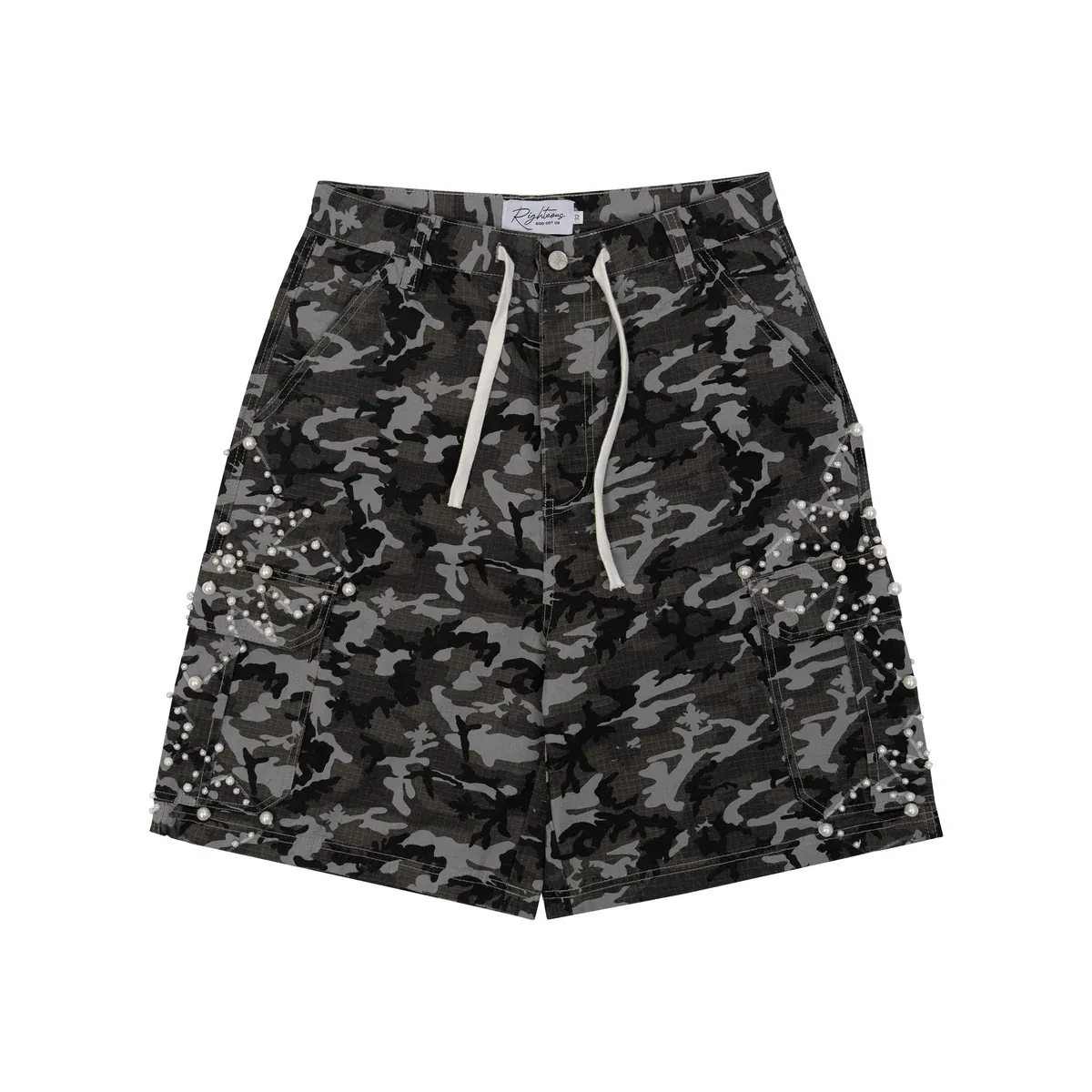
Pants and shorts add a third variable: waist compared to hip sizing, plus leg length. Joggers or shorts from Righteous apparel, typically list both waist and hip numbers, since a waist-correct fit might still feel tight or loose at the hip according to your proportions. Checking both numbers, not just the waist, helps you sidestep an uncomfortable surprise.
What Customer Reviews of Righteous Say About Fit
Customer feedback is among the most valuable resources when a formal chart alone fails to address your specific question. More often than not, a detailed Righteous review will flag whether a piece runs true, large, or small, giving you real-world context the chart alone can’t provide. Repeated observations across many reviews are more trustworthy than one isolated review, since physiques and individual fit tastes differ greatly.
While reading through a We Are Righteous review, watch for mentions of the reviewer’s regular size in other labels and how the Righteous garment compared. A reviewer who says “I’m usually a medium everywhere and this fit true” gives you a worthwhile data point, particularly when several other reviewers repeat the same experience.
It’s also good practice to note reviewer height and weight when reviewers mention them, since this information add depth that a flat measurement chart isn’t able to. Reviews often capture subtleties a static chart misses, such as two people sharing a chest measurement but preferring different hoodie lengths due to height differences.
Common Fit Mistakes to Avoid in 2026
The most frequent mistake remains passing over the chart entirely and buying on a hunch. Even seasoned We Are Righteous shoppers should look over the newest charts each season, since fit tweaks between drops are common. Fit that was accurate a year ago may change slightly once pattern blocks are revised.
Buyers also stumble into the trap of neglecting piece length while solely reviewing width. A hoodie can have the right chest measurement but a surprisingly long or short body length, which changes how it falls when styled with various bottoms. Checking the length number with a piece you already own is a quick, five-minute step that avoids plenty of regret.
In closing, don’t dismiss the return and exchange policy before you buy, and rely on it as a safety net instead of avoiding a purchase out of fear of getting it wrong. Even with careful measuring, sporadic mismatches occur, and knowing you have that option takes away needless pressure from every order.
Applying these habits, measuring with care, reading the specific chart for each item, and weighing real customer feedback, converts a potentially frustrating guessing game into a simple decision. Righteous rewards this small amount of upfront effort with garments that fit as intended, season after season.